Gravel Quantities: Depth, Compaction and US Tons

Convert a specified gravel layer into volume and US tons. Check density, compaction allowances, bag quantities and delivery assumptions.
Convert a specified gravel layer into volume and US tons. Check density, compaction allowances, bag quantities and delivery assumptions.
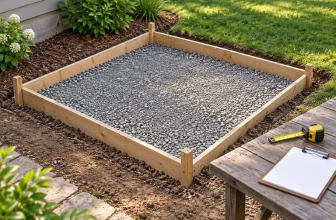
Calculate concrete for a 12-by-10-foot example, compare cubic yards with bag yield, and separate allowances from supplier rounding.
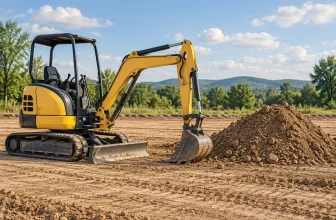
Separate excavation volume, loose spoil, retained material and removal loads. Follow a checked US example and avoid mixing density bases.
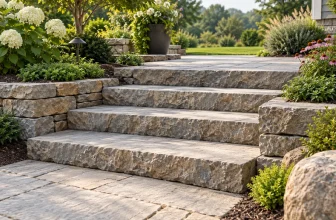
Plan equal step rises from finished levels. Check risers, separate treads, going and horizontal run with a 42-inch worked example.
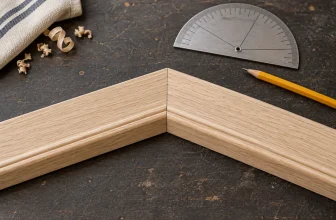
Understand why a 120-degree corner needs a 30-degree miter-saw setting. Compare included angles, cut lines and flat-joint orientation.

Work out equal gaps and center marks for decorative slats. Compare equal end gaps with flush ends using a checked 48-inch layout.

Plan plywood cuts with measured kerf, grain direction and usable offcuts. Follow a checked four-panel example before buying sheet material.

Turn finished lumber lengths into a checked order. Compare continuous runs, identical parts, stock rounding and board feet with two worked examples.
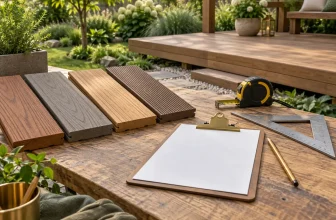
Compare deck board directions with a checked 12-by-10-foot example. See how edge cuts, stock lengths and allowances change the boards to purchase.
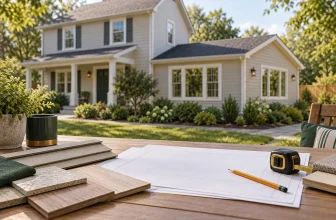
Prepare clearer home addition quotes with a scope checklist, gross-versus-internal floor example and separate allowances for existing-house work.
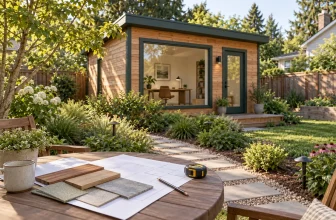
Build a backyard office budget covering site work, foundations, services and finishes. Check roof and membrane quantities with a US-unit example.
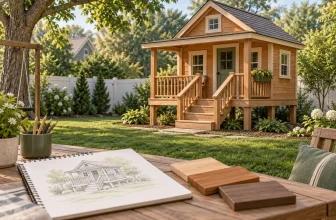
Plan a raised playhouse footprint, access and materials without double-counting the floor. Check kit inclusions, safety work and unresolved costs.