How Much Self-Leveling Compound Do I Need? Bags, Depth and Worked Examples
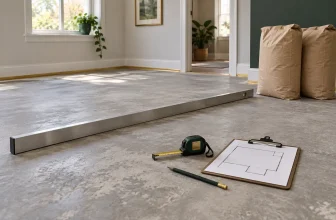
Work out self-leveling compound bags from floor area, average depth and product coverage. Follow two checked examples, stock adjustments and practical FAQs.
Work out self-leveling compound bags from floor area, average depth and product coverage. Follow two checked examples, stock adjustments and practical FAQs.

Calculate floor screed or specified mortar-bed volume from area and depth. Convert the manufacturer’s yield into bags and catch unit and thickness mistakes.

Build a bathroom waterproofing materials list from surfaces, system coverage, joints and corners. Follow a shower example without double-counting coats or kits.
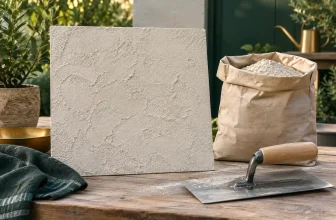
Estimate stucco or render bags using the right coverage and coat thickness. Measure openings and returns, compare product data and avoid counting coats twice.
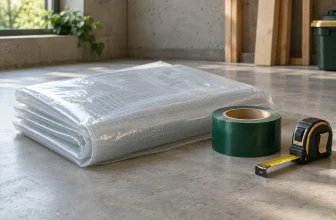
Estimate membrane rolls by strip layout, overlaps and edges. Follow a checked example and keep seam tape separate from perimeter and penetration details.
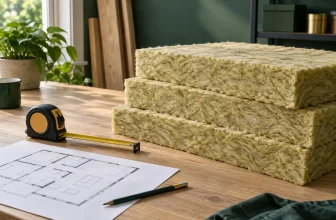
Work out insulation packs from measured area, layers and usable coverage. Compare like-for-like products and check awkward bays before placing your order.
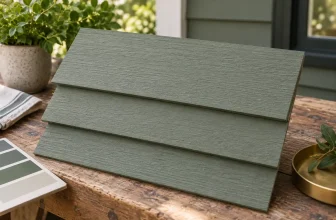
Estimate siding from fitted coverage rather than board width. Check openings, gables and cut waste with a worked example before turning quantities into an order.
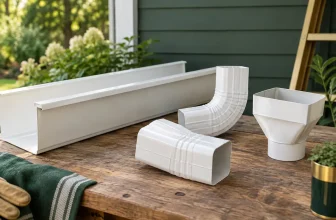
Plan a sectional gutter order without missing outlets, downspouts or end caps. Follow a simple example and separate material quantities from drainage design.

Build a fascia and soffit shopping list from separate roofline runs. Check board lengths, soffit cut depth, saw losses, ventilation and matching accessories.
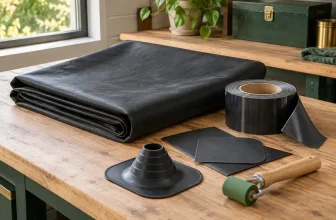
Plan an EPDM sheet order from roof dimensions and edge details. See why deck area, purchased membrane and adhesive coverage need different measurements.

Work out roof tile quantities from slope area and product coverage. Follow a checked example, separate fittings and compare complete supplier quotes.

Estimate repointing mortar from measured joint lengths or regular wall faces. Check depth variation, treatment percentage and finished product yield.